The Branding Myths Keeping Smart People Invisible

Over the years, I’ve realized that most of the resistance I hear about building a public presence isn't really about branding at all — it's about a handful of assumptions that simply aren’t true.
If any of these have been sitting in the back of your mind, I want you to know that not only can you overcome them, but that doing so might bring benefits you had never even considered:
Myth 01 // You can't build a cohesive brand if you have range.
If you've built expertise across more than one discipline — therapy and writing, consulting and speaking, a career shift or two — it can feel like that range works against a "clean" brand.
It doesn't.
Your range is what makes your perspective unique. A cohesive brand isn't built on having one topic; it's built on a consistent point of view that shows up no matter what you're talking about. The through-line was never the subject matter. It's you.
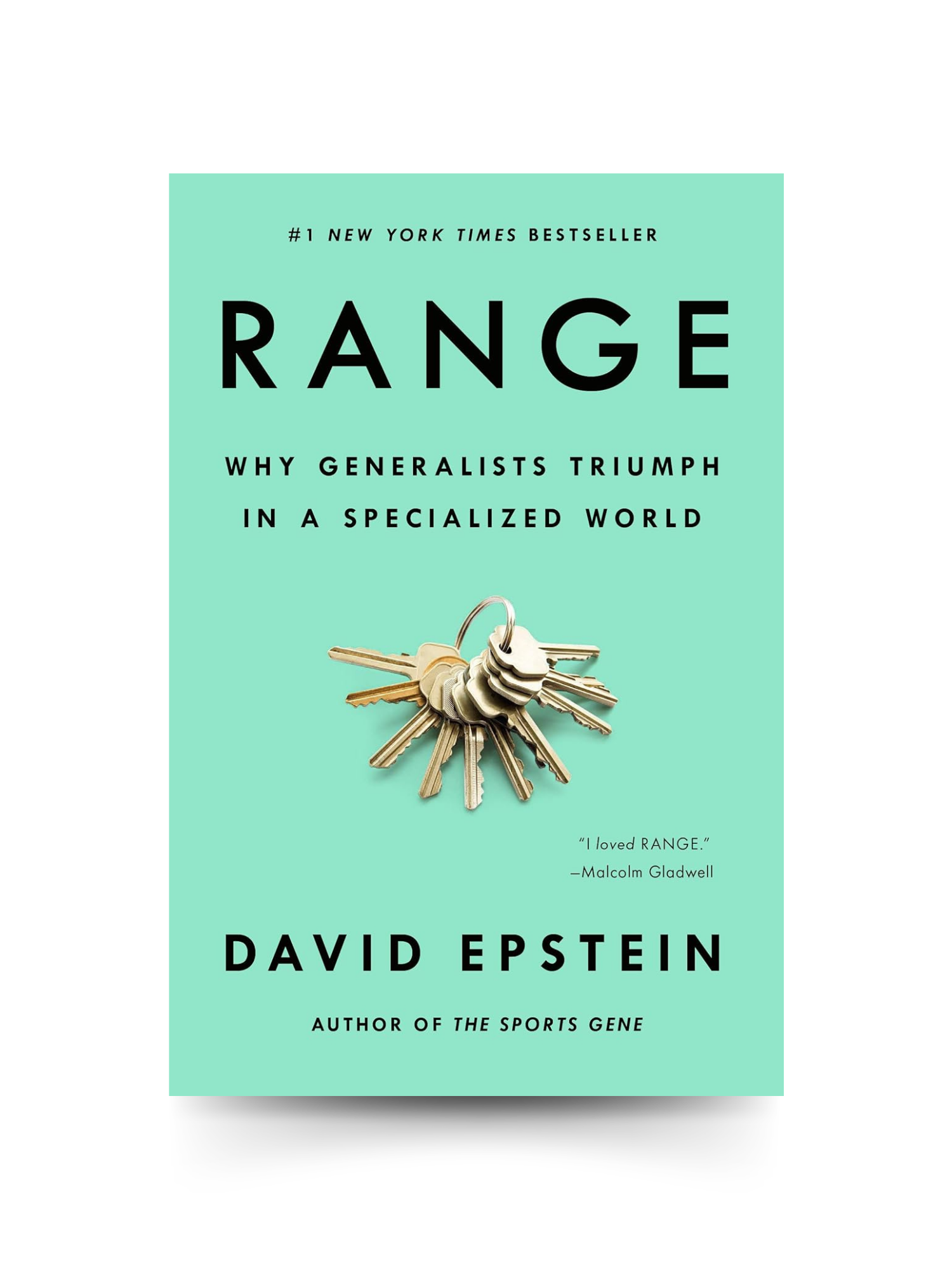
(And if you’re still working on accepting the power of being multi-passionate, I highly recommend checking out Range by David Epstein. By the end of the book, you’ll be not only accepting, but proud, of all your career detours and rogue interests!)
Myth 02 // Branding is only for people trying to be influencers.
Personal branding often gets written off as something for people chasing followers, not something for serious professionals. But the truth is simpler and a little more uncomfortable:
You already have a brand.
It's how people describe you when you're not in the room. It’s your reputation. The only real question is whether you're shaping that impression intentionally, or leaving it to chance, outdated bios, and whoever last Googled you.
Whether you like it or not, the online world is visual and people will be making assumptions about your level of professionalism — and even expertise — based on your social channels and digital presence. That includes journalists, TV producers, podcasts hosts, and a range of other people who hold the keys to opportunities that you want.
In short, personal branding is for anyone who has visibility goals and is taking them seriously.
Myth 03 // Branding means polishing yourself into someone else.
This might be the most common fear I hear, and it's actually the opposite of what good branding does.
Branding isn't about manufacturing a more palatable version of yourself. It's about refining how clearly you say what you already believe. The goal isn’t to look or sound perfect, it’s to accurately represent you, your work, and your mission.
Authenticity is actually a pillar of good branding — we want people to feel the accuracy and consistency between everything you put out into the world.
Myth 04 // Being visible online undermines your credibility.
There's a silly assumption that serious professionals let their work speak for itself, and that anyone actively building a presence is somehow less serious.
In practice, it's the opposite: the experts who stay quiet don't get passed over because they lack credibility, they get passed over because they weren't findable when the opportunity came looking.
Visibility isn't a departure from seriousness. It's what makes seriousness legible to people who haven't met you yet.
If you want your message, story, or work to make a greater impact in the world and leave behind a legacy, you need to work on becoming visible.

Myth 05 // Branding means sharing your whole life online.
This one keeps a lot of talented, thoughtful people out of the conversation entirely, and it shouldn't.
Branding doesn't require oversharing, it simply requires clarity about what you're willing to share, and confidence that those boundaries don't make you less trustworthy.
You can build real connection with an audience while keeping your personal life exactly as private as you want it to be.
Being visible doesn’t mean being exposed.
Myth 06 // You need to post constantly to stay relevant.
One of my biggest branding pet peeves… more content is not the same as more credibility.
A platform built on constant output is easy to scroll past and hard to remember. A platform built around a small number of ideas you keep returning to is the opposite: it's what makes people actually recall who you are and what you stand for, months after they first came across your name.
You’d be surprised what 3-4 intentional, well-planned posts per week can do when you’ve refined your brand, know how to communicate it, and show up consistently.
(Looking for help with that? Check out our Social Media Management services here.)
Myth 07 // Marketing yourself Is just bragging.
This one often comes from a place of integrity (and genuine discomfort with self-promotion), but it limits how many people your work can actually reach.
Expertise that isn't visible doesn't get to help the people who need it.
Being seen isn't the opposite of doing the work with integrity. It's what lets the work reach further than your existing network ever could on its own, and brings you the recognition you deserve.
None of this is about becoming louder. It's about becoming clearer about what you know, what you believe, and who you're actually trying to reach.
You’ve got the Ideas. We can refine the Identity. And then, it’s time for Expression.
If any of these have been holding you back from sharing your message, let's talk about what a strong online brand could actually look like for you: